


Gum Recession Remedies: What Actually Helps and What's Just Marketing
No home remedy can regrow gum tissue that's already receded. Oil pulling, aloe vera and herbal gels can't do it, whatever the packaging says. What home care can do is slow gum recession down and stop it getting worse, and a proper hygiene and gum health assessment tells you which steps matter for your gums. Here's what the evidence says about the popular remedies.
No home remedy can regrow gum tissue that's already receded. Oil pulling, aloe vera and herbal gels can't do it, whatever the packaging says. What home care can do is slow gum recession down and stop it getting worse, and a proper hygiene and gum health assessment tells you which steps matter for your gums. Here's what the evidence says about the popular remedies.
The one thing every reliable source agrees on
Once gum has receded, it doesn't grow back by itself. The only way to physically replace lost gum tissue is a surgical procedure such as a gum graft.
That doesn't make home care pointless. It changes the goal. A genuine gum recession remedy aims to protect the gum you still have, calm inflammation and remove whatever is causing the recession in the first place.
Oil pulling: a small benefit, not a fix
Oil pulling means swishing coconut or sesame oil around your mouth for several minutes. A few small studies suggest it may reduce some of the bacteria linked to gingivitis, which is a real but limited effect.
It won't stop or reverse gum recession, and there isn't good evidence that it can replace brushing and cleaning between your teeth. If you enjoy it alongside your normal routine, it's unlikely to do harm.
Aloe vera: early evidence, nothing more
Aloe vera gel has anti-inflammatory properties, and some early research suggests it may ease gum inflammation when applied directly. That's a step up from oil pulling. But easing inflammation is a long way from reversing gum recession, which is how it's often sold.
Turmeric, tea tree oil and lemon
Turmeric is anti-inflammatory in general, but there's no meaningful evidence that it treats gum recession. Tea tree oil kills some bacteria in the lab, which hasn't translated into good evidence for receding gums.
Lemon is worth avoiding altogether. The acid softens tooth enamel with regular use, and if recession has already left the roots of your teeth exposed and sensitive, that's the last thing you need.
What genuinely helps gum recession
The steps that work are unglamorous, and they all focus on stopping further loss.
Brush gently with a soft brush. Hard bristles and heavy pressure are a well-known cause of recession. A soft or electric brush with a pressure sensor, used in small circles, cleans just as well without wearing the gum away.
Clean between your teeth every day. Interdental brushes or floss reach the plaque your toothbrush misses, and plaque at the gumline is what drives gum disease.
Rinse with warm salt water for sore gums. It can soothe mild soreness. It won't treat the cause.
Deal with the cause. Grinding, a misaligned bite or ongoing gum disease will keep pushing recession along, and nothing you apply on top will outweigh that. The NHS explains how untreated gum disease can lead to gums shrinking back from the teeth.
Keep up regular hygiene visits. Professional cleaning removes the hardened tartar you can't shift at home and lets us measure whether your gums are stable or getting worse.
When to see a dentist about gum recession
Book an assessment if your teeth look longer than they used to, you can feel a notch near the gumline, cold drinks have started to sting, or your gums bleed when you brush. Gum recession caught early is usually simpler to manage than recession that's been left to progress.
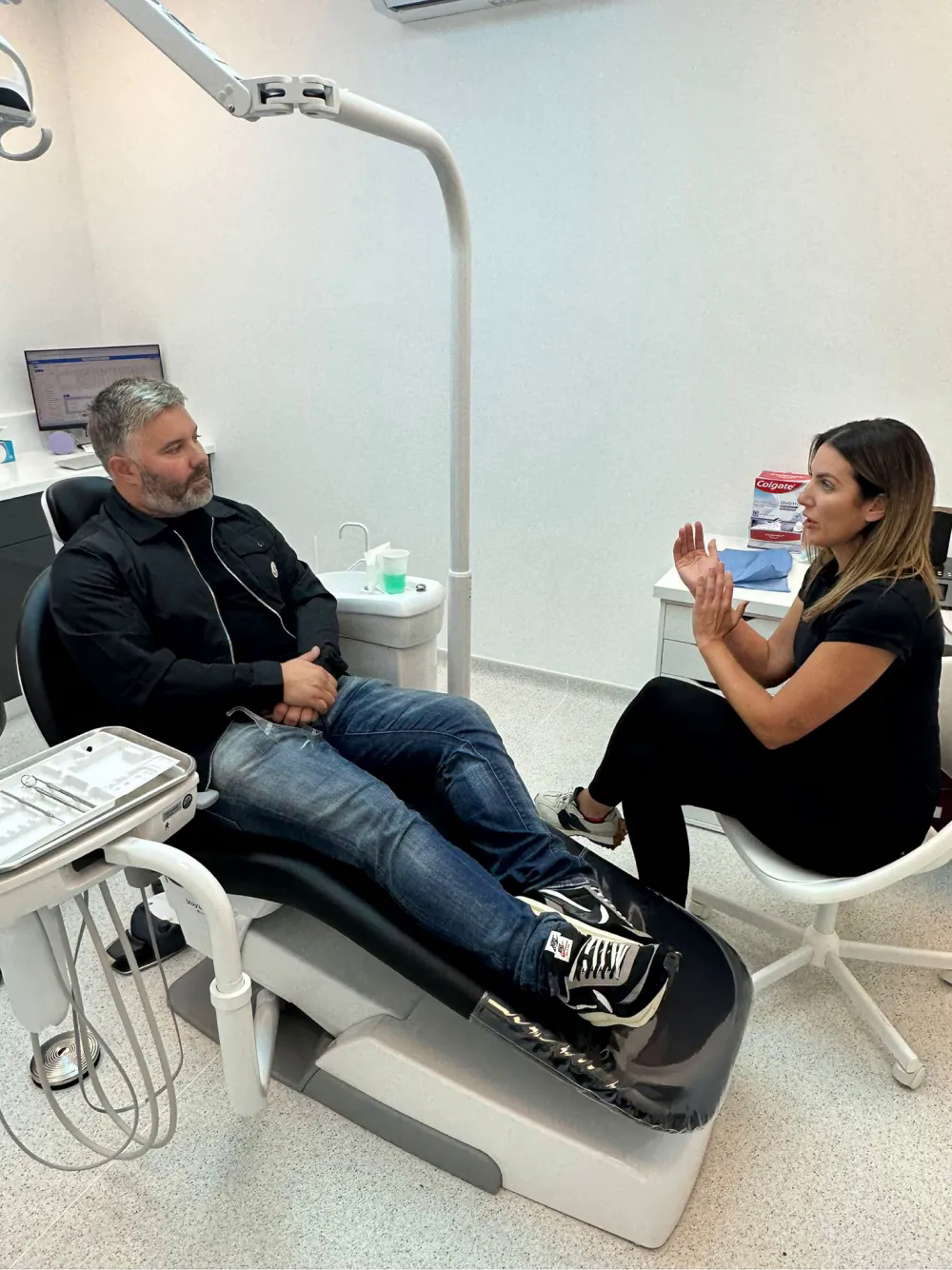
At Sheffield Smiles, your hygiene appointment with Heather Wright, our Dental Hygienist and Practice Manager, includes checking and measuring your gums. If your recession needs more than hygiene care, we'll arrange an assessment with Dr Shirin Shahr Baf, our Consultant in Restorative Dentistry, to talk through the options. If you're new to us, a new patient check-up is a good place to start.
Not sure if home care is enough?
If you've been trying remedies without knowing whether they're working, get your gums checked rather than guessing. We're at 45 Penistone Road North, opposite Sainsbury's near Hillsborough. Call 0114 352 2544 or book online and we'll look at what's causing your gum recession.
Frequently asked questions
Can any home remedy regrow receded gums?
No. Lost gum tissue can only be replaced surgically, for example with a gum graft. Home care can slow recession and protect what's left.
Is oil pulling worth doing?
It may reduce some bacteria, but it won't stop or reverse recession. Treat it as an extra, never a substitute for brushing and cleaning between your teeth.
Why are my gums still sore when I'm using remedies?
Soreness usually means the cause, such as gum disease or brushing too hard, is still active. Remedies that calm inflammation for a while won't fix that.
Can I trust online reviews of natural remedies?
Be cautious. Personal results shared online aren't controlled or checked, and dramatic claims rarely hold up in proper studies.
How do I know if my gum recession needs treatment?
You'll need an examination. Recession that looks similar on the surface can have very different causes and severity, and measuring the gums is the only way to tell.
Browse related articles


















Ready to get started?
Our team is happy to chat and tell you more about treatment options and costs, with no obligation for you to go ahead. Book a free consultation now to find out how we can help you makeover your mouth.
