


What Can Invisalign Fix? A Guide to Common Orthodontic Problems
It is a fair question, and the honest answer is that Invisalign handles more than most people expect, but not everything. Here is what it treats, and how we work out whether it is right for you.
Most people who ask about Invisalign have already decided they want straighter teeth. What they are really asking is whether Invisalign will work for their teeth, or whether they will be told they need braces after all.
It is a fair question, and the honest answer is that Invisalign handles more than most people expect, but not everything. Here is what it treats, and how we work out whether it is right for you.
Understanding Invisalign
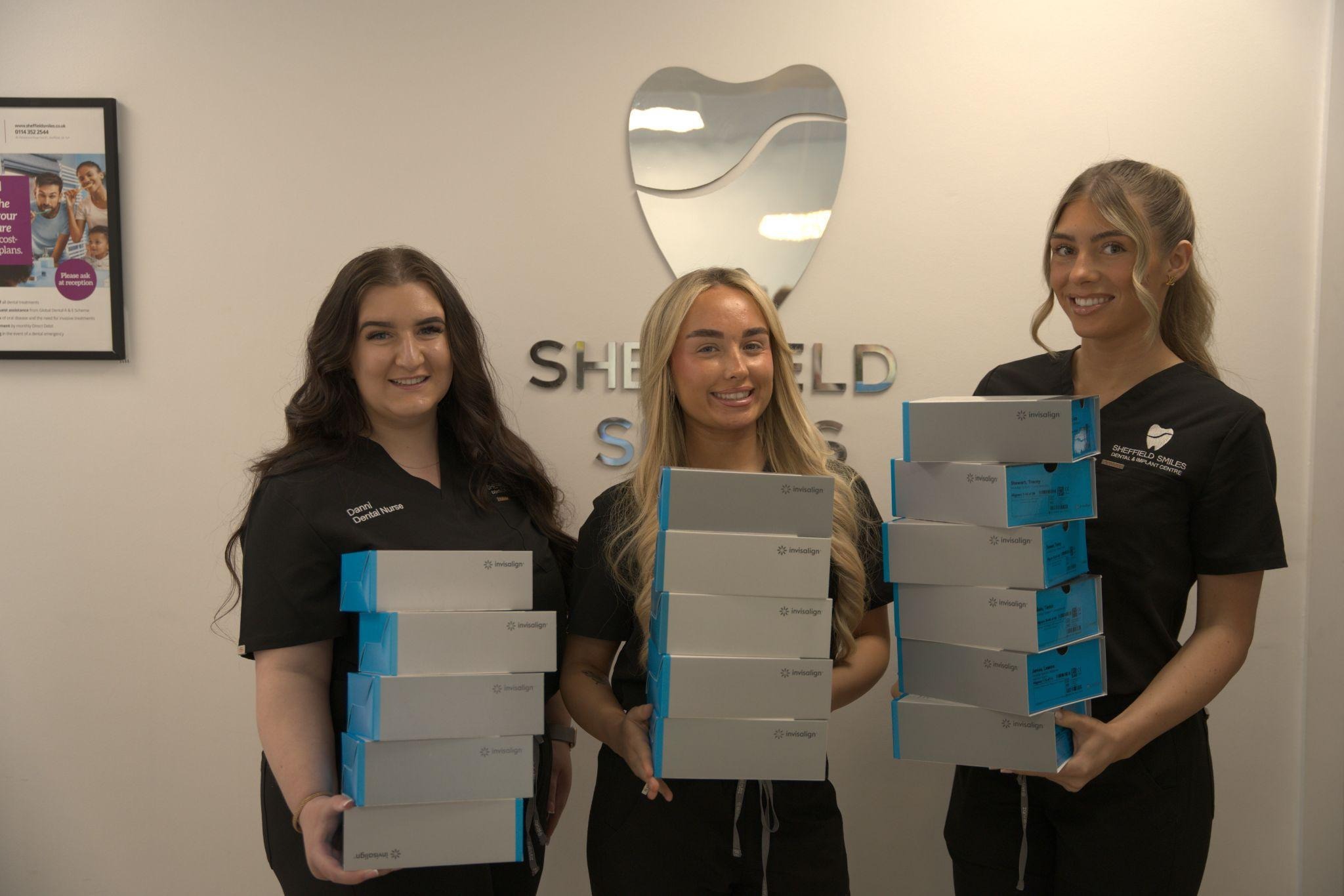
Invisalign uses a series of clear, custom-made aligners to move your teeth a small amount at a time. Unlike traditional metal braces, the aligners are nearly invisible, so you can straighten your smile without drawing attention to it. Before a single aligner is made, we take a digital scan and map out every movement, in order, from where your teeth are now to where they will finish.
▶ How we plan an Invisalign case
The problems Invisalign treats
1. Crowded teeth
Crowding happens when there is not enough room for every tooth, so they overlap and twist to fit. Beyond the appearance, crowded teeth are harder to clean, which is why crowding and gum problems so often turn up together. Invisalign creates space and rotates teeth back into line.
2. Gaps between teeth
Spacing is the opposite problem. Gaps can be natural, or they can open up after a tooth is lost and the neighbours drift. Invisalign closes them by walking the teeth together gradually. If the gap is there because a tooth is missing, it is worth planning the straightening and the replacement together.
3. Overbite
An overbite is when the upper front teeth sit too far over the lower ones. A small overlap is normal; a deep one can wear the lower teeth down and strain the jaw joint. Invisalign can reduce it, though deeper overbites take longer and sometimes need attachments for grip.
4. Underbite
An underbite is the reverse, the lower teeth sitting in front of the uppers. It affects how you chew and speak. Mild underbites respond well to Invisalign; pronounced ones can be skeletal rather than dental and need a different conversation.
5. Crossbite
A crossbite is where some upper teeth bite inside the lower ones. It tends to wear specific teeth unevenly and can push the gum back on the affected side. Invisalign moves the teeth back into their proper positions.
6. Open bite
An open bite is when the front teeth do not meet when you close. It makes biting awkward, and people often notice it in their speech first. Invisalign is well suited to closing an open bite.
Why choose Invisalign?
It is discreet, the aligners are practically invisible, and their smooth edges are comfortable with minimal irritation to your gums and cheeks. They are removable, so you take them out to eat and to clean your teeth, which keeps everyday hygiene simple. And each set is custom-made from a digital scan, so you see your expected result on screen before you start. We also work with Spark and Inman aligners, so if Invisalign is not the best fit for your case we will say so.
▶ What to expect from Invisalign treatment
Are you a candidate for Invisalign?
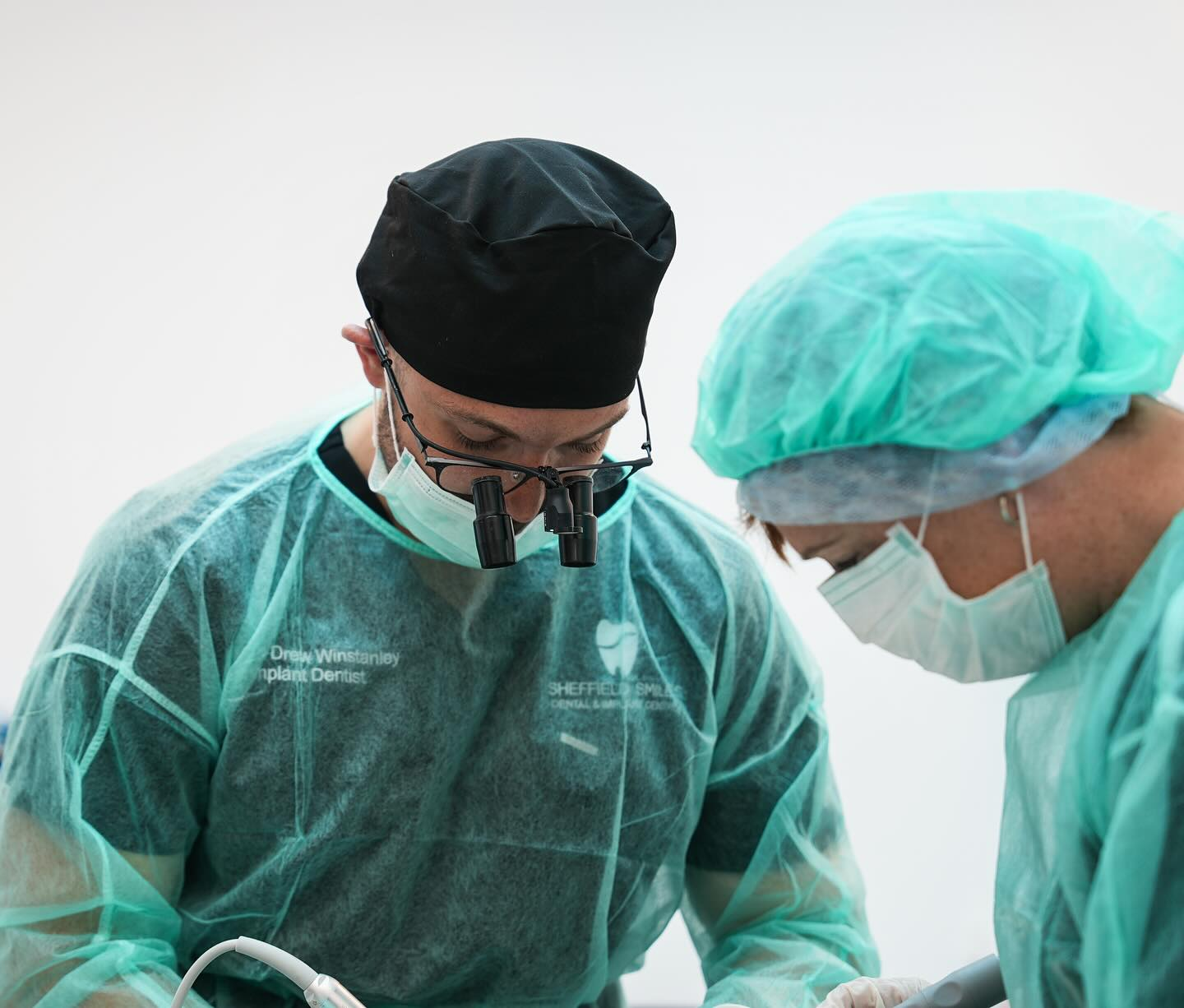
Aligners suit many people, but severe crowding, significant skeletal jaw differences and some complex bites are better served by fixed braces or a combined approach. There is also one step the mail-order aligner companies skip: your gums. Active gum disease is treated first, always, and your gums are checked before a single Invisalign aligner is made. Whatever the plan, if a tooth needs root canal treatment first, Dr Shaheer Aasim treats it here under an operating microscope, and complex cases can be reviewed by our Consultant in Restorative Dentistry. That is the value of having treatment planned by a full team rather than a single-brand mill.
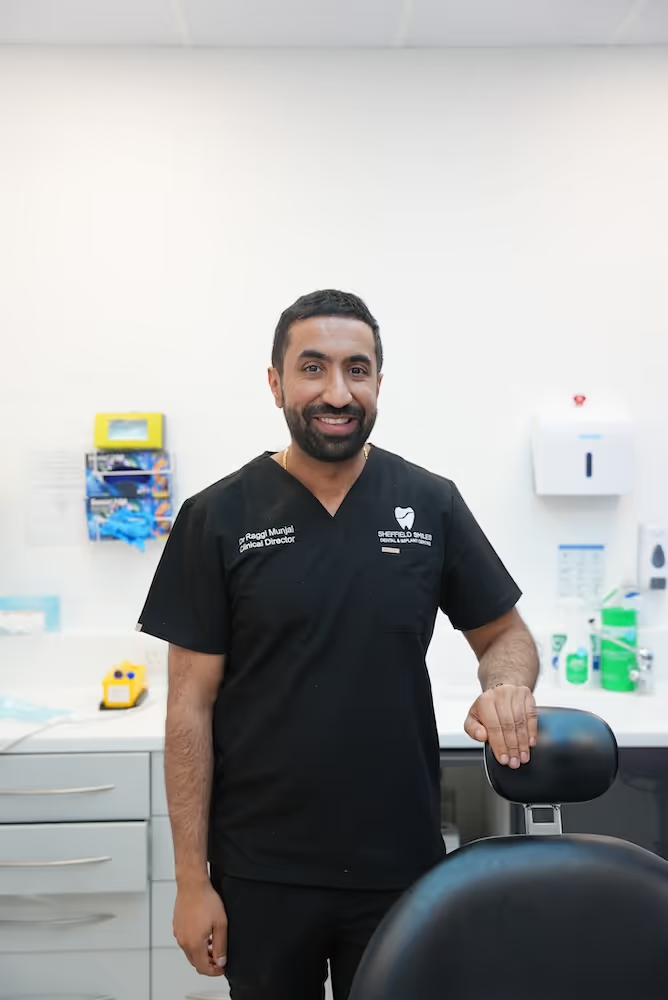
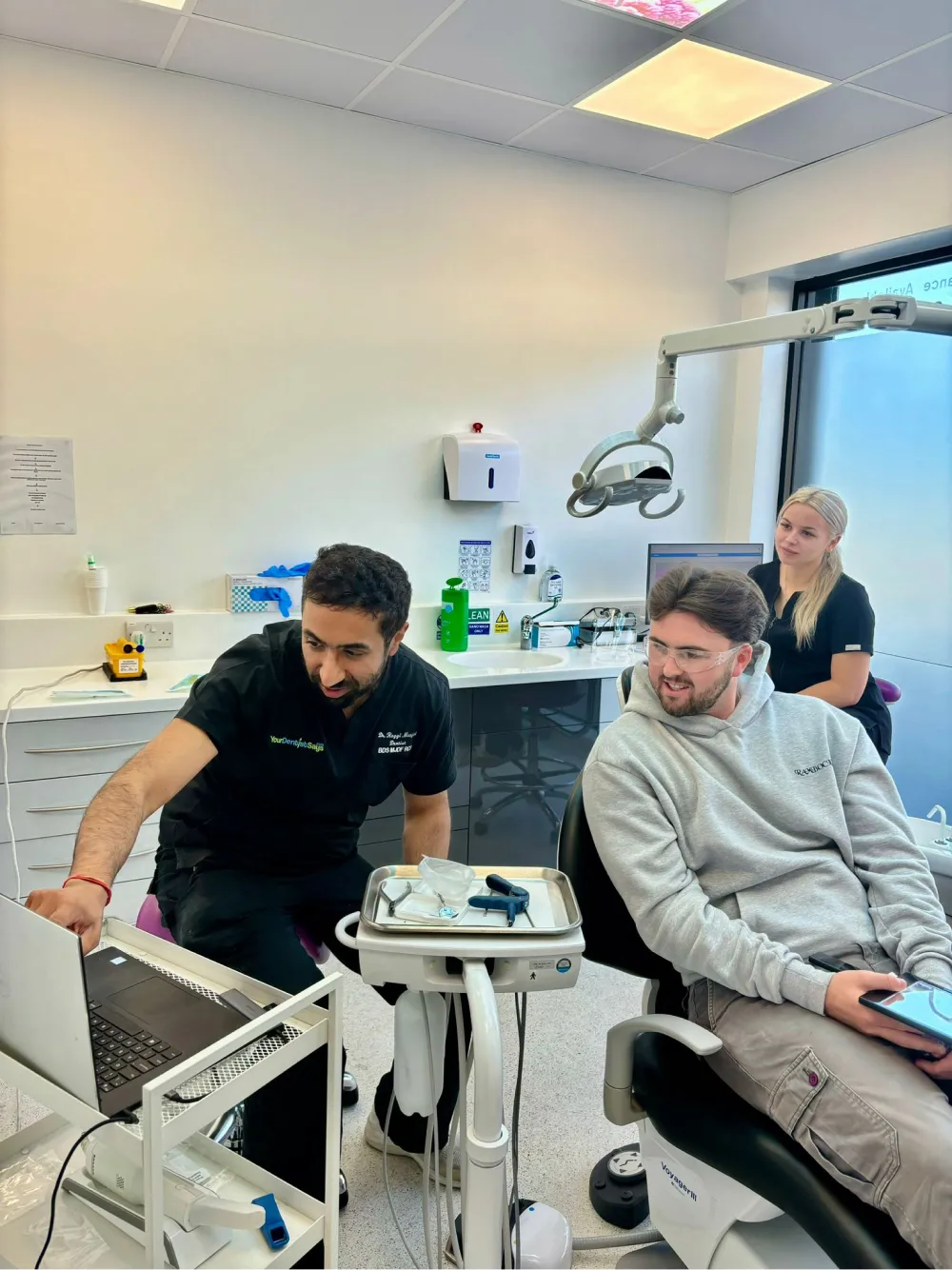
▶ Dr Raggi on getting the most out of your aligners
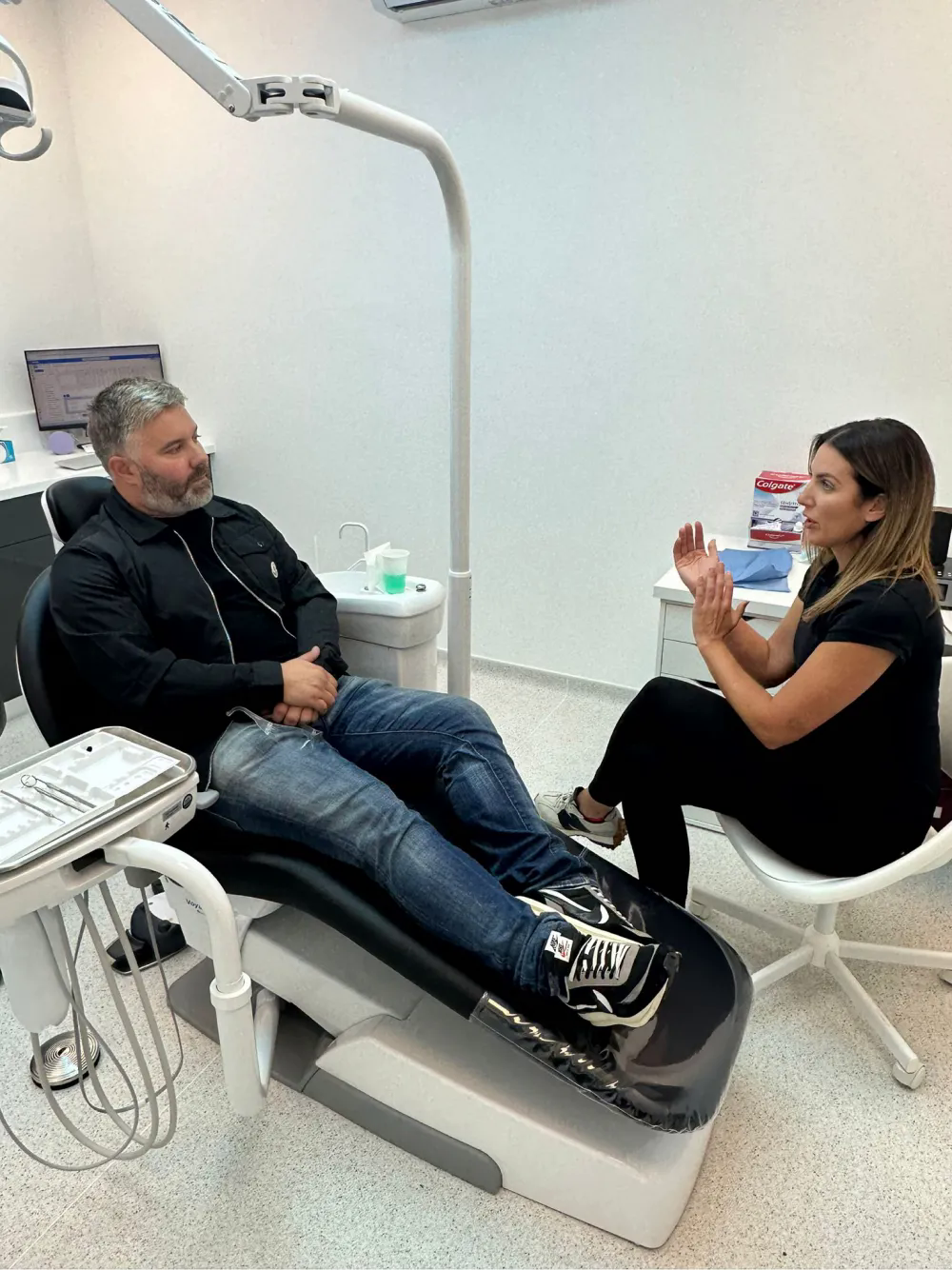
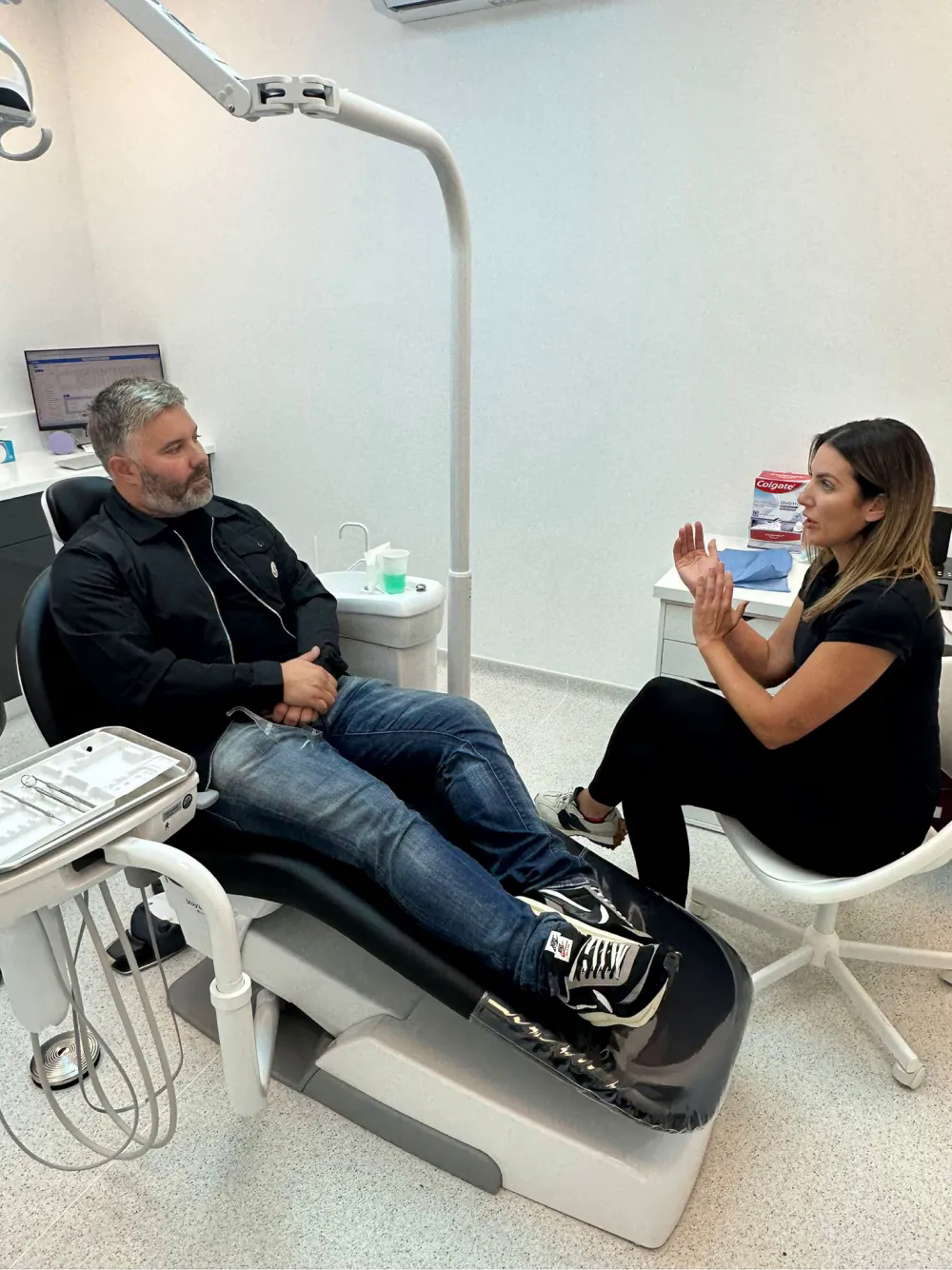
A relaxed Invisalign assessment at our Sheffield practice.
Ready to transform your smile?
If you have been wondering whether Invisalign could work for your teeth, the honest way to find out is to have someone look. Invisalign is one of the treatments we assess free of charge: a chat on the phone, some photos of your teeth, then a virtual appointment to go through your options and costs. If you would rather spread the cost, there is 0% interest finance over 12 months on treatment over £1,000, with no deposit needed.
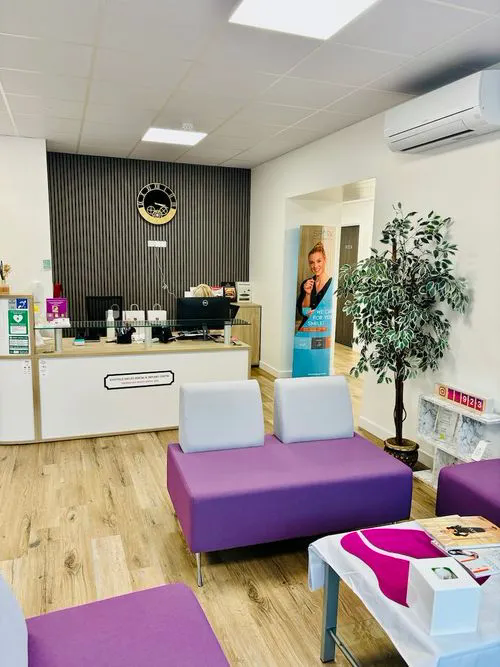
You will find us at 45 Penistone Road North, on the main road opposite Sainsbury’s, with free parking on site. Call us on 0114 352 2544 or book through our website.
Browse related articles


Ready to get started?
Our team is happy to chat and tell you more about treatment options and costs, with no obligation for you to go ahead. Book a free consultation now to find out how we can help you makeover your mouth.
