


How Long Do Dental Implants Last?
Dental implants are artificial tooth roots made from durable materials like titanium. They are placed into your jawbone, providing a sturdy foundation for replacement teeth, and they are designed to mimic the structure of natural teeth in both appearance and function.
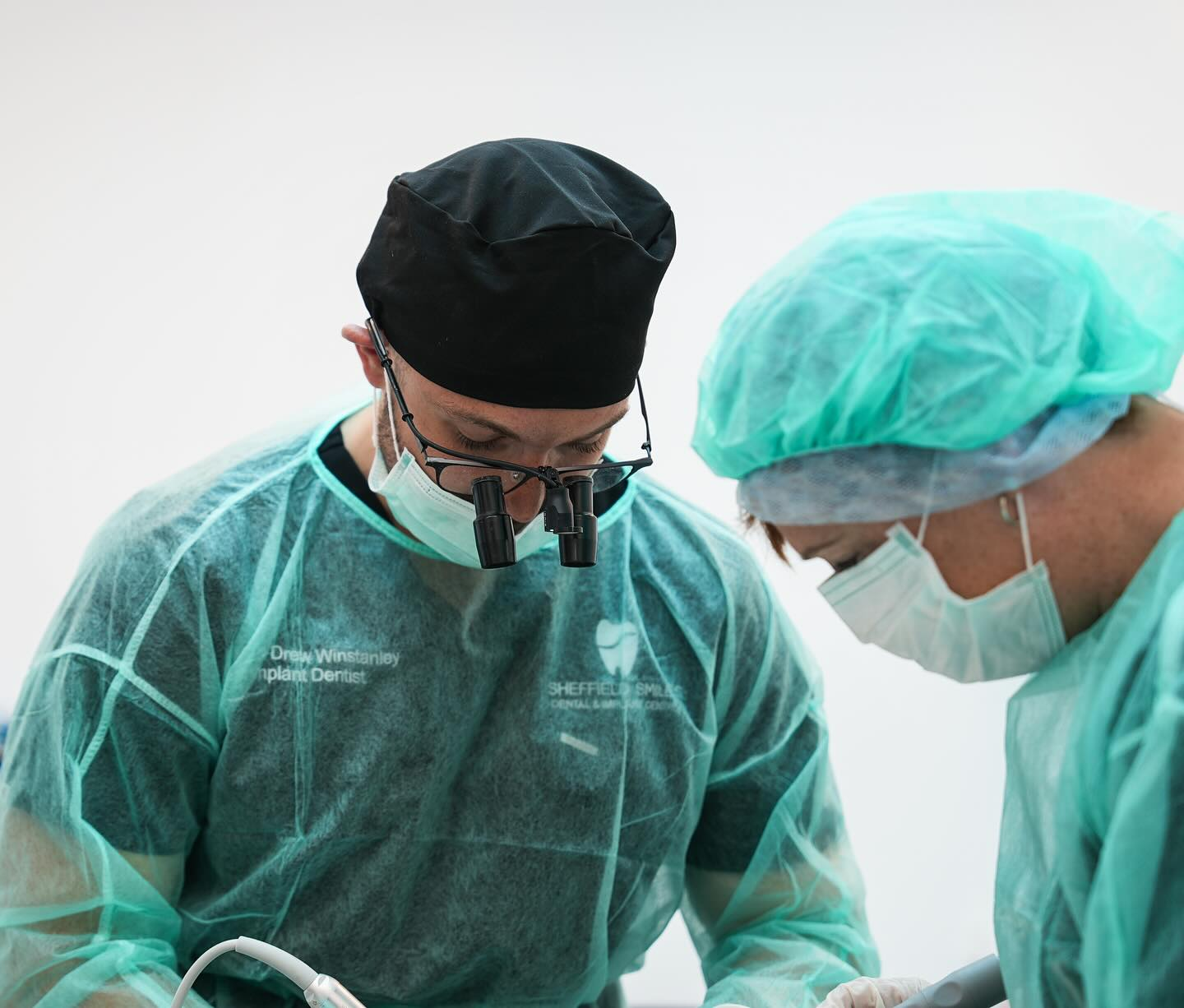
Dental implants are the most expensive thing most people will ever have done to their teeth, so “how long will it last” is usually the second question, right after “will it hurt”.
The honest answer has two parts, because a dental implant is not one thing. Understanding how dental implants are built is the key to it.
What are dental implants?
Dental implants are artificial tooth roots made from durable materials like titanium. They are placed into your jawbone, providing a sturdy foundation for replacement teeth, and they are designed to mimic the structure of natural teeth in both appearance and function. Titanium is used because it is compatible with bone and promotes osseointegration, the process where the jawbone grows onto and around the implant and locks it in place. That is what makes dental implants feel solid rather than fitted, and it is also why they help preserve the bone and keep your facial structure intact.
▶ What a dental implant actually is
An implant is two components
This is where the “how long do dental implants last” question usually gets answered badly. The fixture is the titanium post in your jawbone that replaces the root, and once it has integrated it is part of you. The restoration is what sits on top and does the visible work, usually a crown, sometimes a bridge or a denture anchored onto several implants. These two wear out at very different rates. An implant failing and a crown needing replacement are completely different events. One is uncommon. The other is routine maintenance, and it is far cheaper.
With proper care, we'd expect at least fifteen years from your implant, and often considerably longer. The titanium fixture in the bone frequently outlives the crown on top of it, so the more useful way to think about it is this: the implant is designed to stay, while the crown is the part that eventually wears and gets replaced. Replacing a crown on a healthy implant is routine and it costs a fraction of starting again.
What actually determines how long dental implants last
The bone it goes into
This is decided before anything is placed. Enough healthy bone, in the right shape and position, and the implant has a solid foundation. Not enough, and it needs building up first with a bone graft. This is why the assessment and the planning matter more than the surgery itself.
Your gum health
The one that catches people out. Dental implants cannot decay, which is true and often oversold. What they can develop is peri-implantitis, which is gum disease around an implant: the gum inflames, the bone around the fixture recedes, and if it goes far enough the implant loosens and is lost. Looked after well, dental implants can last for many years; neglected, they fail like anything else. Dental implants need the same cleaning as natural teeth, arguably more attention, not less. Anyone who tells you an implant is maintenance-free is selling you something.
Smoking
Smoking meaningfully raises the risk of implant failure. It restricts blood supply to the healing site, slows integration, and increases peri-implantitis risk afterwards. We will place implants for smokers. We will also be honest with you about the odds, because you are the one paying for them.
Whether you keep up your reviews
Implants need checking. Bite forces shift, screws can loosen, gum levels change. Caught early these are small adjustments; left for years they become expensive problems. These small checks are how dental implants go the distance. Regular check-ups and hygiene visits are the cheapest part of owning an implant and the part people skip.
▶ Inside an implant assessment
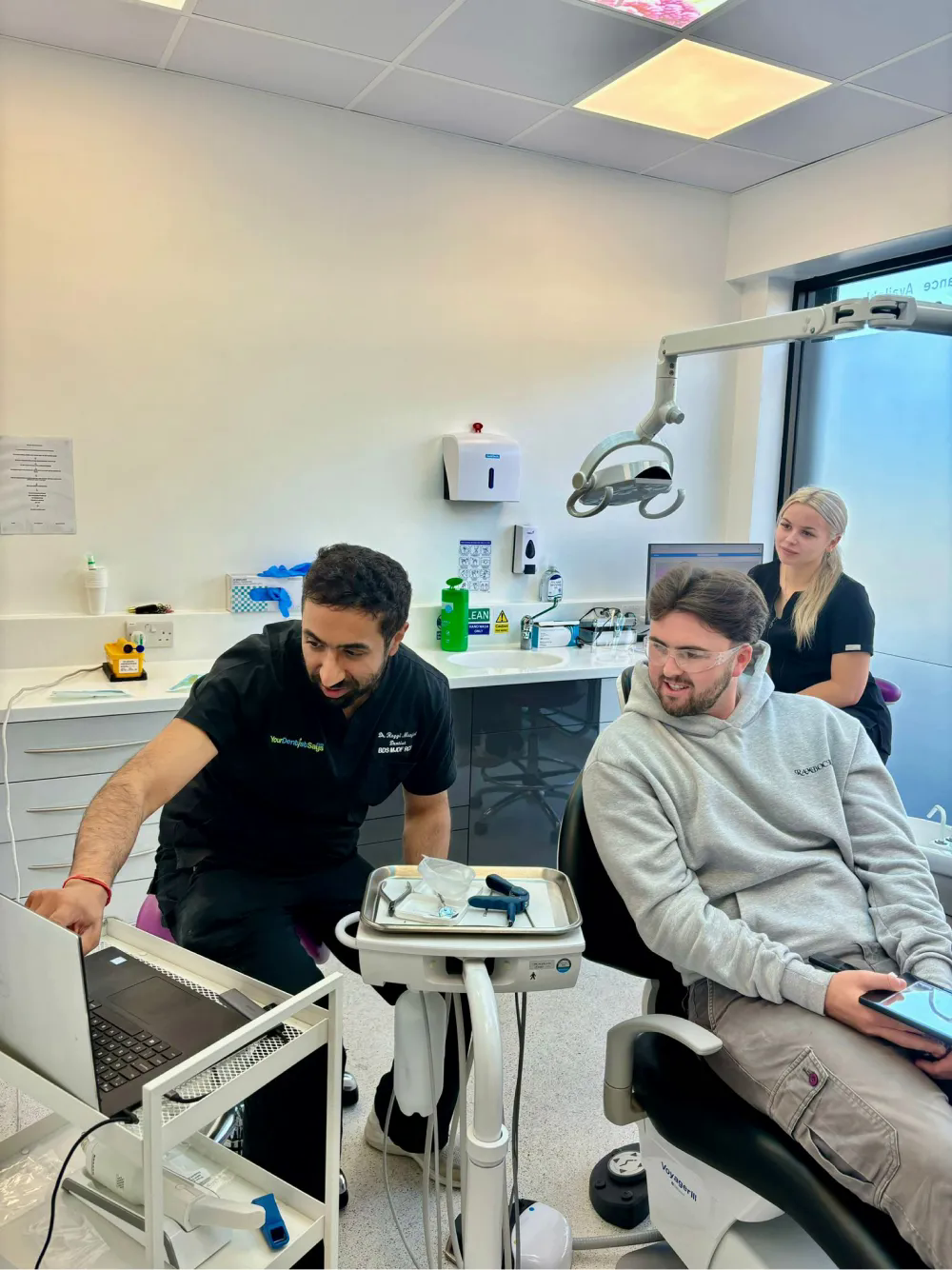
Every implant case is planned in detail before any surgery, at our Sheffield practice.
Why we do this in one building
Dental implants are rarely just about the implant. A failing root-treated tooth might need assessing before extraction, gum disease might need stabilising first, a tooth might need removing without damaging the bone you are about to place into. Each of those needs someone different, and we have them here rather than a referral away.
Dr Nigel Hargreaves qualified from Sheffield in 1988, took the KaVo prize in oral surgery, holds a Master’s in Restorative Dentistry from Leeds, and has placed dental implants in private practice since 1995, including full-arch reconstruction and teeth-in-a-day. Alongside him, Dr Drew Winstanley and Dr Levs Gavrilovs are both implant dentists, Dr Shaheer Aasim handles endodontics under an operating microscope, and Dr Shirin Shahr Baf is a Consultant in Restorative Dentistry and an Honorary Senior Clinical Lecturer at the Charles Clifford Dental Hospital. If the surgery itself is what puts you off, we also have Dr Tomas Macik, a consultant anaesthetist, for sedation, which is not a common arrangement in a dental practice.
Book a free virtual consultation
If you are missing a tooth, or you have been told you need an extraction and you are wondering what comes next, come and have it looked at properly. You will have a plan, a timeframe and a cost before you commit to anything. Dental implants are one of the treatments we assess free of charge: a chat on the phone, some photos, then a virtual appointment with one of the team. If you would rather spread the cost, there is 0% interest finance over 12 months on treatment over £1,000, with no deposit needed.
You will find us at 45 Penistone Road North, on the main road opposite Sainsbury’s, with free parking on site. Call us on 0114 352 2544 or book through our website.
Browse related articles




Ready to get started?
Our team is happy to chat and tell you more about treatment options and costs, with no obligation for you to go ahead. Book a free consultation now to find out how we can help you makeover your mouth.
